
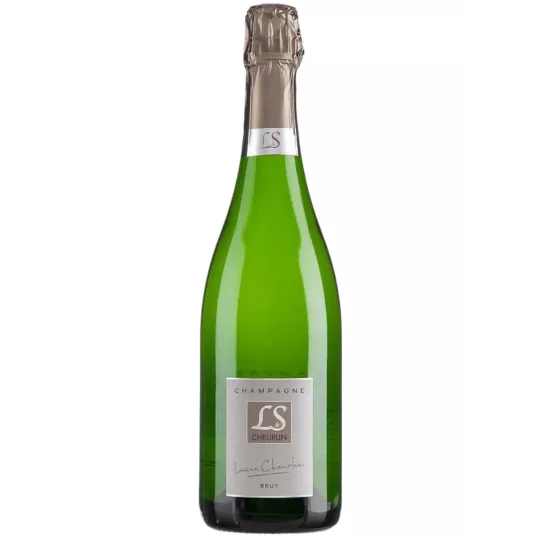
Conventional Champagne is widely recognized for traditional blending, structured aging, and classic profiles. Yet...
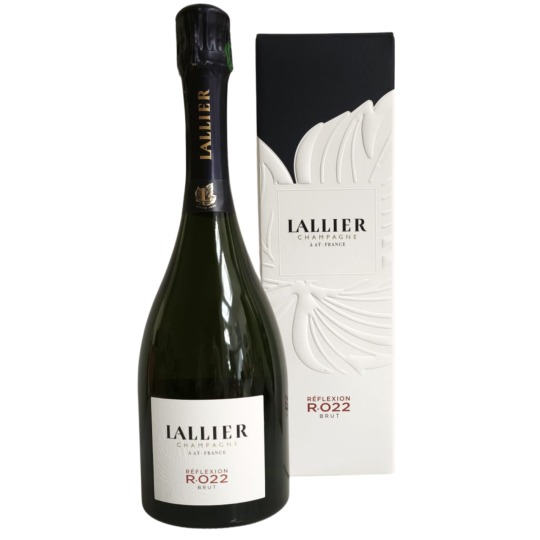

Conventional Champagne is widely recognized for traditional blending, structured aging, and classic profiles. Yet...
Discover the Art of Champagne Etiquette: Serving Champagne is far more than pouring bubbles into a glass—it is a...
Champagne is often associated with traditional serving customs, established cellaring practices, and classic tasting...
Champagne is often associated with well-established benchmarks: classic blends, traditional aging, and instantly...
Opening a bottle of sparkling wine is traditionally associated with celebration, precision, and high winemaking...
Choosing a Champagne depends primarily on the production philosophy you wish to experience in your glass. On one hand, the major Champagne houses (identified by the "NM" designation) excel in the art of blending across multiple vintages. They source grapes from throughout the region to ensure a consistent, balanced, and globally renowned flavor profile, year after year. This is the ideal choice for a prestigious gift or to guarantee absolute reliability for life's major events. In contrast,...
The distinction between Grand Cru and Premier Cru Champagne is rooted in the history of the Échelle des Crus (Scale of Growths), a classification system established in the early 20th century to rate entire winegrowing villages based on the quality of their terroir. Grand Cru represents the absolute pinnacle of this hierarchy, a title exclusively reserved for the 17 villages that achieved a perfect 100% rating. These elite terroirs, concentrated on prime hillsides with deep, porous chalk...